Table of Content
When it was introduced in 2016, the US2 VersiCharge was consistently rated one of the best Level 2 home charge stations available. The Classic is well built, well warrantied and often cited for good customer service. You'll look a long time trying to find another home station with 40 amps of charging and this kind of quality at this price. Wired for 50 amps, Home Flex is likely to add some installation cost.

Charging capability is categorized into three tiers, starting with Level 1 using 120-volt AC electricity. AC electricity is what your house is wired for, therefore Level 1 and 2 charging doesn’t require any special fitment to your home. As compared to JuiceBox, ChargePoint's vehicle database isn't as comprehensive. Despite this, ChargePoint excels at providing fastidious data from each charge, including charge-rate graphs and the charge time and total energy output during each charge.
Why should I install an EV charger at home?
So don't worry, your charger is safe and secure, even when you're not around. On average, the cost to charge at home is over 50% per unit cheaper than paying at a public charger. And the savings are even bigger if you have cheaper off-peak electricity at home. The EvoCharge is manufactured in the United States, and includes a three-year factory warranty. The standard charging cable only spans 18 feet, but a 25-foot version is also available for an extra price. Another upgrade option is Wi-Fi connectivity, which allows the user to control charging remotely via the EvoCharge mobile app.

While you do need a device to connect the electricity from your house to your vehicle, you may be able to get by with the portable charging equipment that came with your vehicle. If you want to track your charging fastidiously, one of the Wi-Fi-connected units is probably a better choice. It's nascent technology, yes, but bi-directional charging can already be achieved. Going forward, many and maybe most new electric cars, pick-ups and SUVs will offer bi-directional charging. Hyundai, Kia, Lucid and Rivian all have promised the capability, though Tesla seems less likely to offer it, given its commitment to its Powerwall home battery.
Best versatile home EV charger
This wall-mounted box has a clean and modern look that is low profile enough to fit on any space where your car is parked. It is also weather-resistant, so you don't have to worry about it getting damaged in the rain or snow. The charging station also comes with an adjustable outlet that satisfies three different amperages. Popular Mechanics has picked these charging devices based on personal technical knowledge, as well as review input from publications like Consumer Reports, Inside EVs, and AutoGuide.

Next are the physical features of the charger itself, starting with the connector cord. Level 2 charge cords typically range from 12 to 25 feet, and longer is almost always better. A 12-foot cord can cut it close in the best of circumstances, and might require that you park your car in the same direction or orientation every time you plug it in. The 25-foot one should allow you to park in at least two different spots if your garage has two bays or more. It should cover things if you the charge port on your next electric car is in an entirely different spot than your current car's. If the charge amperage thing gets confusing, think of 40 amps as the target and work up or down from there, based on cost, features and preferences.
Project EV EVA-07S-SE (£
That should be fine if your daily mileage is low or you own a PHEV that doesn’t take long to charge because of its relatively small battery. No wonder, then, that government figures show that 80% of EV owners charge their cars at home. Last year, it became mandatory for all newly built homes to have an EV charging point installed, but most of us don’t live in brand new houses, so we have to sort out our own charging solutions. Although many slower public chargers are free to use, they lack the convenience of home charging. For example, you might have to wait for someone else to finish charging and you’ll need to leave your car away from home while it’s plugged in and collect it later. Yes - The Office for Zero Emission Vehicles is a government team working to support the transition to zero-emission vehicles.
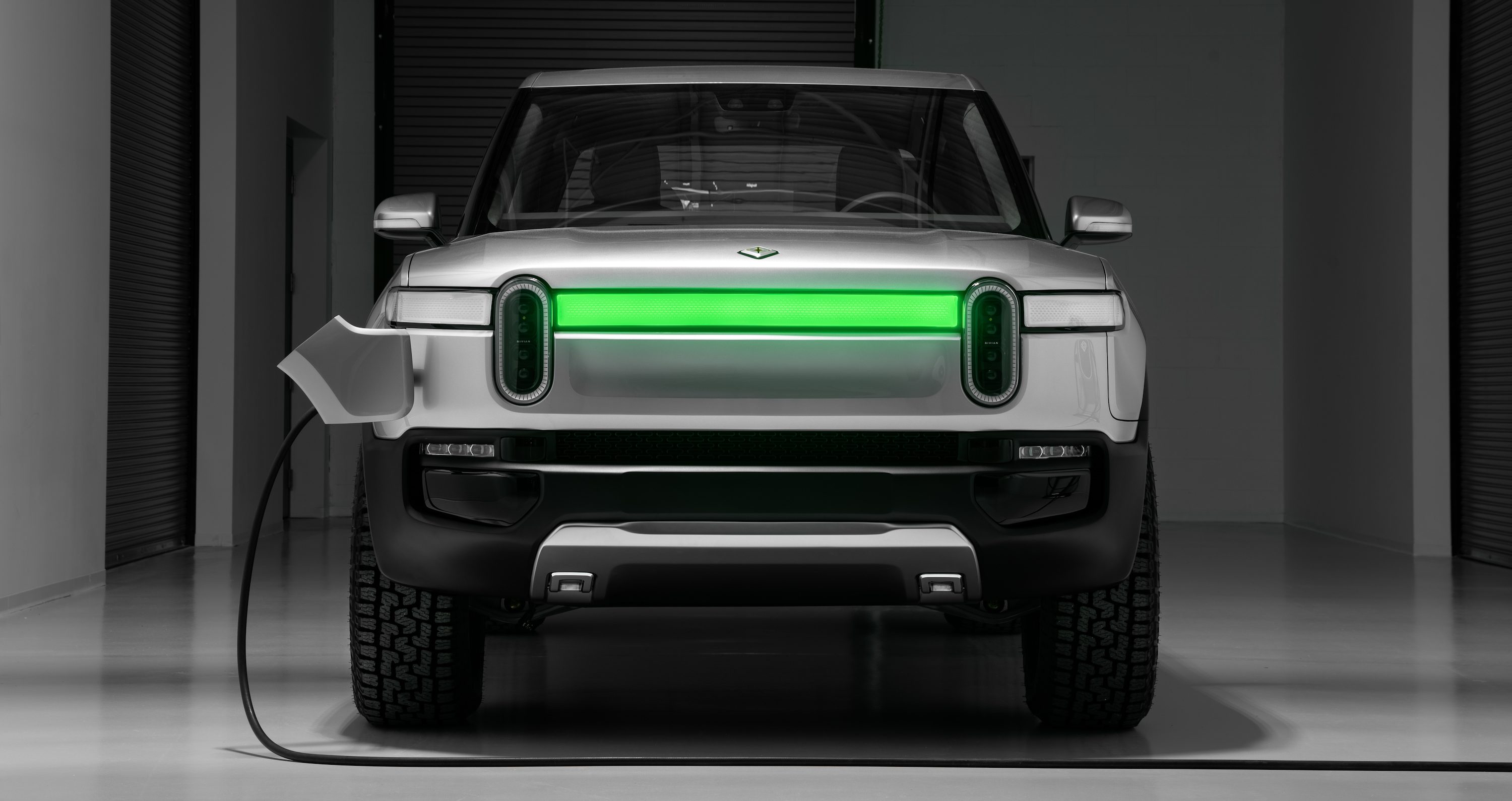
It connects the electricity in your house to your car, and in that way they're all similar. While you're waiting for the electrician, think about where you want the charge station to go. That's typically on a wall inside or outside the garage, or on a post near where you park.
Level 2 EV chargers are a major upgrade from the Level 1 device that comes with an electric car. While it won't charge as quickly as a public DC charger, Level 2 is the best most of us will get for home charging -- or at least those of us who aren't certified millionaires or better. There are 480-volt fast chargers that can theoretically be installed for residential use, but they're expensive to begin with and have specific power requirements, including a dedicated power line. In short, the cost of a 480-volt charge station is prohibitive for the typical homeowner. You can still plug an EV into a standard 120-volt wall outlet using the standard charging cable that has been provided by the automaker. It will only add about two to five miles of range for every hour of charging.
Tesla hasn’t released an official per kWh price for non Tesla cars using Superchargers, but rates will vary depending on the location. As of now, Tesla high speed Superchargers are available to only Teslas and there are no adapters available in the market for non-Tesla vehicles. The app will allow you control of your charging, while the latest version of BP Pulse’s charger was the first home wallbox to be awarded the BSI Electric Vehicle Charging Kitemark for safety and quality. For homeowners, EVHS is due to end on 31 March 2022 and the installation has to be actioned and signed off before the discount of £350 can be claimed back.
The display shows information on your car’s battery level and current charging rate, while there’s a highly rated Ohme smartphone app, allowing you to monitor charges while out and about. With the cost of living going up for everyone, finding new ways to bolster your household budget is smart. Although a switch to an electric car can save you as much as 21% in running costs, according to 2020 data from Direct Line, you don’t need to have an electric car to install an EV home charge point.
Customer service impressed owners, too, who also said that the smartphone app for the chargers is easy to use. That said, you don't need to worry about buying the wrong charger, because certain hardpoints are the same. Any Level 1 or Level 2 charger will safely charge any electric car, truck and SUV sold in North America. You can't charge your vehicle too quickly, or over-charge it, because its own on-board electronics will protect it. Every electric vehicle comes with the same connector in its charge port -- or at least every electric vehicle that's not a Tesla.
Further, Wallbox says it's developing the capability to meter each Pulsar Plus charger separately and directly bill individuals. This might be your future if home is a multi-unit dwelling shared with other occupants. The Grizzl-E Classic car charging station is designed and built in Canada, and that could be one of the reasons we like it. The Classic ships as a plug-in, to minimize potential installation costs, but it's also suitable for hardwiring. The cost to install an electric car charger in your home varies between $1,200 to $2,000.
Sounds like a nice capability to have, but if you want in with the Lightning and you're not already in line, don't hold your breath. The machine also pairs with the Pod Point App, but this app isn’t as highly rated as most others on the App Store or Google Play – and for good reason. It also receives software updates if you connect it to wifi, which means it’ll get better and better over time – and if there’s an issue with the machine, a support team can fix it remotely.




No comments:
Post a Comment